Driveway Paving Albany: A Comprehensive Guide
Introduction
Welcome to an extensive exploration of the topic, "Driveway Paving Albany," which delves into the world of urban infrastructure development. In this article, we will navigate through the intricacies of enhancing and constructing driveways in the vibrant city of Albany, offering insights for residents, professionals, and anyone interested in this aspect of urban planning and design. From historical perspectives to modern innovations, we aim to equip readers with a holistic understanding of this essential process.
Understanding Driveway Paving Albany: Unpaving the Way
Definition and Core Components
Driveway paving Albany refers to the practice of designing, constructing, and maintaining paved surfaces for vehicular access within residential or commercial properties in the city of Albany. It involves a meticulous process that combines civil engineering, architecture, and materials science. The core components include:
- Subgrade Preparation: The foundation of any driveway, ensuring proper drainage and compacted soil to bear the load of vehicles.
- Base Layer: Usually composed of aggregate material, this layer provides structural support and improves drainage.
- Sub-base: A crucial layer that binds the base and surface layers, enhancing stability and durability.
- Asphalt or Concrete: The topmost layer, offering a smooth driving surface, which can be asphalt (a common choice for Albany's climate) or concrete.
- Surface Texturing: Adding texture to the top layer enhances traction and prevents skidding, especially in wet conditions.
- Markings and Stripping: Incorporating road markings and stripes for safety and vehicle guidance.
Historical Context and Significance
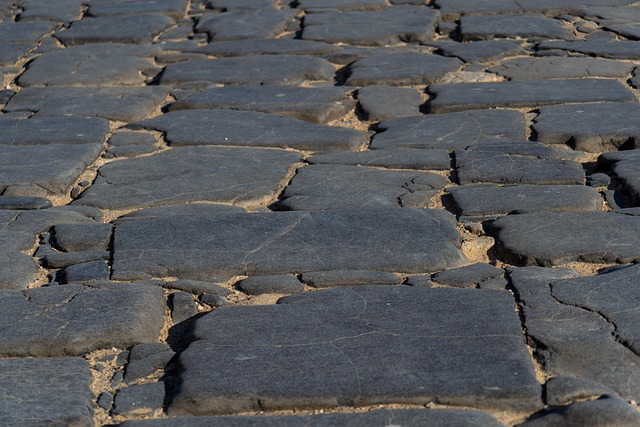
The concept of paved driveways has evolved over centuries, from ancient Roman roads to modern asphalt and concrete technologies. In Albany, as in many cities, the need for efficient transportation and property access sparked the development of driveway paving practices. Over time, these have transformed from basic earth paths to sophisticated, durable surfaces that cater to modern traffic demands.
Driveway paving plays a vital role in urban planning by:
- Enhancing Property Values: Well-paved driveways attract buyers and increase property values, making them a desirable investment for homeowners.
- Facilitating Emergency Services: Clear, accessible driveways ensure swift response times for emergency vehicles, contributing to community safety.
- Promoting Efficient Transportation: Properly paved driveways encourage responsible driving practices and reduce wear and tear on city roads.
Global Impact and Trends: A World of Driveway Innovations
International Influence
Driveway paving Albany is not merely a local phenomenon; it has global implications and influences, especially in regions with similar climates and urban landscapes. Here’s how the international context shapes this field:
- North American Standards: The United States, including Albany, follows strict road construction standards set by organizations like the American Association of State Highway and Transportation Officials (AASHTO). These standards ensure consistent quality and safety across the nation.
- European Practices: Europe has a rich history in asphalt and concrete paving technologies, with countries like Germany and the Netherlands leading innovations in sustainable driveway materials.
- Asian Growth: Rapid urbanization in Asia presents unique challenges and opportunities for driveway construction, driving the adoption of advanced materials and techniques.
Key Trends Shaping the Future
The global trends in driveway paving Albany include:
| Trend |
Description |
| Sustainable Materials |
There is a growing demand for eco-friendly options like recycled asphalt, permeable pavers, and concrete from fly ash, reducing environmental impact. |
| Smart Pavements |
Integrating sensors into driveways to monitor traffic, temperature, and structural health, enabling predictive maintenance. |
| Design Flexibility |
Increased customization in driveway designs, incorporating artistic elements and unique patterns to complement architectural styles. |
| Green Infrastructure |
Emphasizing drainage systems that recharge groundwater and reduce surface runoff, contributing to sustainable urban development. |
Economic Considerations: Paving the Way for Growth
Market Dynamics
The driveway paving industry in Albany operates within a dynamic market characterized by:
- Seasonal Fluctuations: Demand peaks during spring and summer when homeowners prioritize outdoor improvements, while winter sees slower activity due to harsher weather conditions.
- Local Competition: Numerous local contractors compete for projects, leading to price variations based on expertise, materials, and customer preferences.
- Material Costs: The pricing of asphalt and concrete is influenced by global market forces, with fluctuations impacting construction costs.
Investment Patterns
Investing in driveway paving offers both short-term gains and long-term benefits:
- Residential Properties: Homeowners often view paved driveways as a necessary expense for property maintenance, ensuring better curb appeal and potential resale value.
- Commercial Ventures: Businesses invest in commercial driveway paving to enhance customer experience, improve logistics, and create a professional image.
- Government Projects: Municipal bodies allocate funds for driveway paving as part of urban renewal initiatives and infrastructure development.
Technological Advancements: Revolutionizing the Process
Innovations in Materials and Equipment
Technological progress has significantly enhanced driveway paving Albany:
- Advanced Asphalt Mixtures: Newer asphalt formulations, such as Superpave, offer improved durability, reduced cracking, and better performance under extreme temperatures.
- Computerized Paving Machines: Automated pavers ensure precise width control, accurate material placement, and consistent surface quality, increasing efficiency.
- Drone Technology: Drones are used for site surveying, allowing for detailed mapping of land and identifying potential issues before paving begins.
- Thermal Imaging Cameras: These tools help detect temperature variations in paved surfaces, aiding in the identification of potential structural flaws.
Digitalization and Data Analytics
The digital revolution has brought about:
- Project Management Software: Streamlined project management tools enable contractors to optimize scheduling, resource allocation, and communication with clients.
- Real-time Monitoring: Sensors embedded in paving equipment provide real-time data on material usage, compaction, and surface quality, ensuring consistent results.
- Data-driven Maintenance: Advanced analytics can predict maintenance needs, reducing the cost of repairs and minimizing disruptions.
Policy and Regulation: Navigating Legal Waters
Key Policies and Frameworks
The driveway paving industry in Albany is subject to various policies and regulations aimed at ensuring safety, environmental protection, and fair business practices:
- Building Codes: Local building codes dictate the minimum standards for construction, including driveway design, materials, and safety features.
- Environmental Regulations: The city has strict rules regarding soil erosion control, stormwater management, and the disposal of construction waste during paving projects.
- Licensing and Permitting: Contractors must obtain licenses and permits to operate legally, ensuring they meet industry standards and safety protocols.
Impact on Industry Practices
These policies influence how driveway paving is executed:
- Compliance Standards: Contractors must adhere to specific guidelines for material quality, installation techniques, and surface treatments to obtain certifications.
- Regular Inspections: Local authorities conduct inspections during and after construction to ensure compliance with codes, potentially leading to penalties for non-compliance.
- Public Safety: Regulations prioritize the safety of residents and workers, mandating proper signage, traffic control measures, and safe working conditions.
Challenges and Criticisms: Overcoming Obstacles
Common Issues and Solutions
Despite its benefits, driveway paving Albany faces challenges that require strategic solutions:
- Weather Delays: Extreme weather conditions can halt construction, leading to project delays. Implementing climate-resilient practices and flexible scheduling can mitigate this.
- Material Sourcing: Ensuring a consistent supply of high-quality materials is essential. Diversifying supplier networks and adopting sustainable sourcing methods can address this issue.
- Noise Pollution: Paving equipment generates noise, impacting nearby residents. Using quieter machinery and implementing sound barriers can help reduce noise pollution.
Strategies for Improvement
Addressing these challenges involves:
- Adaptive Construction Scheduling: Employing weather forecasting tools and flexible project management techniques to minimize delays.
- Local Material Sourcing: Collaborating with local suppliers reduces transportation costs and supports the regional economy.
- Community Engagement: Involving residents in planning processes and providing clear communication can gain support for paving projects.
Case Studies: Success Stories from Albany
Example 1: The Revitalization of Downtown Albany
In a collaborative effort, the city of Albany and local contractors transformed an aging downtown area through comprehensive driveway paving and infrastructure upgrades. This project involved:
- Paving Network Streets: Replacing outdated asphalt with high-performance concrete, enhancing traffic flow and pedestrian safety.
- Implementing Green Infrastructure: Integrating permeable pavers in new residential driveways to improve stormwater management.
- Community Engagement: Holding public meetings to gather feedback and ensure the design aligned with neighborhood character.
Outcome: The project revitalized the area, increasing property values, attracting new businesses, and fostering a sense of community pride.
Example 2: Sustainable Driveway Development in Suburbia
A suburban Albany community embraced sustainability by implementing eco-friendly driveway practices:
- Recycled Asphalt: Utilizing recycled asphalt for driveway construction reduced the project’s carbon footprint and minimized waste.
- Solar-Powered Lighting: Integrating solar-powered streetlights along driveway entrances, providing illumination while promoting renewable energy.
- Community Education: Conducting workshops to educate residents on sustainable driveway options and their environmental benefits.
Impact: The initiative sparked interest among neighbors, leading to further eco-friendly developments in the area.
Future Prospects: Driving Innovation Forward
Emerging Trends and Growth Areas
The future of driveway paving Albany looks promising with several emerging trends:
- Smart Cities and Digital Integration: As Albany continues its digital transformation, smart pavement technologies will play a significant role in traffic management and urban planning.
- Resilient Infrastructure: With climate change concerns, there will be an increased focus on durable, resilient materials that can withstand extreme weather events.
- Personalized Designs: Homeowners will seek unique, artistic driveway designs tailored to their architectural styles and personal tastes.
Strategic Considerations for Contractors
To capitalize on these trends, contractors should:
- Stay Updated with Technology: Continuously invest in training and equipment upgrades to remain competitive in the digital age.
- Embrace Sustainability: Offer eco-friendly options to meet growing demand and appeal to environmentally conscious clients.
- Diversify Services: Expand offerings beyond traditional paving to include driveway maintenance, repairs, and custom designs.
Conclusion: Paving the Path to Urban Excellence
In conclusion, driveway paving Albany is a multifaceted industry that significantly contributes to the city's infrastructure and property values. From historical evolution to modern innovations, it continues to adapt and grow, driven by technology, policy, and changing societal needs. By addressing challenges, embracing sustainability, and staying ahead of trends, contractors play a vital role in shaping Albany’s urban landscape.
FAQ Section: Answering Your Questions
Q: How do I choose the right material for my driveway?
A: Consider your climate, traffic volume, budget, and aesthetic preferences. Asphalt is common due to its cost-effectiveness and versatility, while concrete offers superior strength and durability but at a higher cost.
Q: Are there any tax incentives for having my driveway paved?
A: Yes, some local governments offer tax breaks or rebates for energy-efficient or sustainable home improvements, including driveway paving. Check with your local authorities to learn more.
Q: What should I do if a contractor recommends an unnecessary repair/replacement?
A: Seek second opinions and get written estimates from multiple contractors. Ensure the recommended work aligns with industry standards and is necessary for structural integrity.
Q: How can I reduce the environmental impact of my driveway?
A: Opt for recycled materials, consider permeable pavers to manage stormwater, and choose eco-friendly equipment where possible. Regular maintenance also helps extend the lifespan of your driveway, reducing waste.