




When considering driveway paving Albany, understand asphalt and concrete fundamentals: asphalt is cost-effective for smaller projects but requires more maintenance; concrete offers exceptional durability and strength, ideal for larger areas with high traffic. Resurfacing options include slurry sealing, chip sealing, and repaving. Concrete is more upfront expensive but long-term value; asphalt is affordable for smaller jobs. Local surveys show asphalt prices from $30-$60/sq m.
Concrete lasts 30-50 years with minimal maintenance, while asphalt typically lasts 15-20 years. Budgeting should include initial installation and future maintenance costs. Environmentally, concrete has a lower lifecycle carbon footprint despite initial intensity; recycled aggregate reduces impact further. For greener options, explore permeable pavers or recycled rubber surfaces. Local paving contractors in Albany can guide based on material suitability and local conditions, emphasizing regular inspections for longevity.
Choosing between asphalt and concrete for your driveway paving Albany project is a crucial decision that impacts both aesthetics and longevity. Both materials have their unique advantages and considerations, making the selection process intricate. This article serves as your comprehensive guide to navigate this dilemma, offering insights that cater to diverse needs and preferences. We delve into the inherent properties of each, considering factors like durability, cost-effectiveness, and visual appeal, enabling you to make an informed choice for your driveway paving Albany endeavor.
- Understanding Asphalt and Concrete: Basics Revealed
- Driveway Paving Albany: Choosing Between Longevity and Cost
- Performance and Durability: Which Material Stands the Test of Time?
- Environmental Impact: Eco-Friendly Considerations for Your Driveway
Understanding Asphalt and Concrete: Basics Revealed

When it comes to driveway paving Albany, understanding the fundamentals of asphalt and concrete is key to making an informed decision. Both materials have their unique advantages and are commonly used for driveway construction or resurfacing in Albany. Asphalt, known for its versatility, is a popular choice due to its relatively low cost and ease of installation. It’s particularly suitable for smaller driveways and offers a quick and efficient solution, especially when compared to concrete. On the other hand, concrete provides exceptional durability and strength, making it ideal for larger projects or areas with heavy traffic.
Resurfacing options beyond asphalt include various techniques such as slurry sealing, chip sealing, or even repaving with concrete. These alternatives cater to specific needs and budgets without compromising quality. For instance, slurry sealing involves applying a thin layer of bitumen mixed with aggregate, providing a smoother finish and improved drainage compared to traditional asphalt. Chip sealing, another cost-effective method, uses a binder to adhere small aggregates to the surface, enhancing traction and reducing dust. When considering a new driveway in Albany or resurfacing options, it’s crucial to consult reputable asphalt paving companies in Albany who can provide expert advice tailored to your requirements.
The cost of pave a new driveway in Albany varies based on several factors. Typically, concrete drives tend to be more expensive upfront due to the materials and labor involved. However, they offer long-term value and lower maintenance costs over time. Asphalt, with its affordability and ease of installation, is often preferred for smaller projects or those on tighter budgets. According to recent surveys, asphalt paving companies in Albany charge anywhere between $30 to $60 per square meter, depending on the complexity of the job and the type of asphalt used. Understanding these nuances ensures you make a well-informed decision when selecting the best driveway paving solution for your Albany property.
Driveway Paving Albany: Choosing Between Longevity and Cost
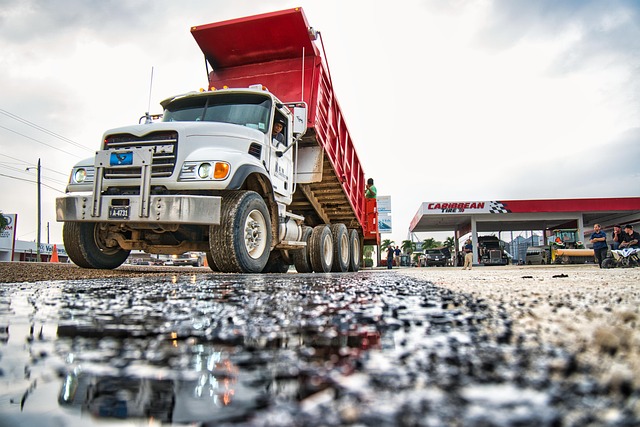
When considering driveway paving Albany, the choice between asphalt and concrete is a significant decision that impacts both longevity and budget. Both materials offer unique advantages, but understanding their respective traits is crucial for homeowners in Albany seeking durable and cost-effective options. Asphalt, known for its flexibility and ease of repair, often presents as a more affordable initial investment. In Albany, where weather conditions can be demanding, asphalt’s ability to expand and contract without significant damage makes it an attractive choice for residential driveways. However, while it may require less extensive maintenance in the short term, asphalt has a lower lifespan than concrete, necessitating frequent resurface concrete driveway Albany operations over time.
On the other hand, concrete, with its robust strength and durability, provides exceptional longevity, often lasting 30-50 years or more with minimal maintenance. Resurface concrete driveway Albany is a viable option for homeowners seeking a long-term solution. Despite initial costs being higher than asphalt, the lower need for regular replacement makes concrete a cost-effective choice in the long run. Concrete’s versatility allows for various finishes and designs, enhancing both functionality and aesthetic appeal. For instance, a concrete driveway can accommodate custom patterns or even integrated lighting features, adding value to your property in Albany.
The residential driveway resurfacing cost Albany varies based on material selection, project scope, and local market conditions. Asphalt typically ranges from $3-5 per square foot, while concrete costs around $5-10 per square foot, sometimes more for specialized finishes. When comparing asphalt vs concrete driveway costs over the lifespan of each material, concrete emerges as a more economical choice due to its reduced need for replacement. It’s essential to factor in not only initial installation but also future maintenance expenses when making this decision, ensuring you choose a solution that aligns with your budget and expectations.
Performance and Durability: Which Material Stands the Test of Time?
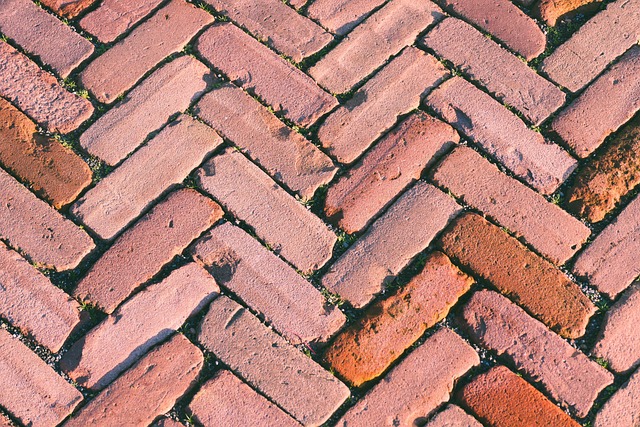
When it comes to driveway paving Albany, choosing between asphalt and concrete is a significant decision that impacts both aesthetics and long-term functionality. In terms of performance and durability, each material offers unique advantages and challenges, making it crucial to understand their respective strengths before embarking on a driveway resurfacing project, be it a complete overhaul or simple crack repairs in Albany.
Asphalt has long been the preferred choice for many homeowners due to its relatively low cost and ease of installation. It is versatile, suitable for various climates, and can accommodate slight imperfections in the base without compromising structural integrity. However, asphalt’s flexibility also makes it more susceptible to cracking and rutting over time, especially under heavy traffic or extreme weather conditions. Regular maintenance, including resealing and topping up, can extend its lifespan but adds to ongoing expenses.
On the other hand, concrete is renowned for its exceptional durability and strength. Resurfacing concrete driveways without removing the old layer is a popular option among Albany residents, as it offers a longer-lasting solution. Concrete can withstand extreme weight loads, making it ideal for areas prone to heavy vehicle traffic. Its robust nature also means it’s less prone to cracking, especially when properly maintained. However, concrete is more labor-intensive and expensive to install than asphalt. Additionally, its rigid nature requires precise preparation of the base to ensure even wear over time.
A study by the National Asphalt Pavement Association (NAPA) revealed that asphalt driveways typically last around 15-20 years with proper care, while concrete driveways can endure for 30-40 years or more. When considering driveway crack repairs in Albany or a complete paving project, engaging specialized paving contractors who understand local conditions is essential. These professionals can guide homeowners in making informed decisions, whether opting for asphalt’s cost-effectiveness or concrete’s long-term reliability. Regular inspections and prompt repair work can significantly contribute to the overall durability of either material, ensuring your driveway stands the test of time.
Environmental Impact: Eco-Friendly Considerations for Your Driveway

When considering driveway paving options for your Albany home, environmental impact is a crucial factor. Both asphalt and concrete have significant ecological implications, but each offers unique advantages that can make them more or less suitable for different scenarios. Asphalt, often the default choice for many homeowners, has traditionally been praised for its lower initial carbon footprint compared to concrete. However, this convenience comes with long-term environmental costs. Asphalt production releases volatile organic compounds (VOCs) and contributes to air pollution. Furthermore, asphalt requires regular sealing and maintenance, leading to increased product life but also more petroleum-based materials entering the environment.
On the other hand, concrete, while initially more carbon-intensive in production, has a lower lifecycle carbon footprint once laid. Concrete is a highly recyclable material, making it an eco-friendly option if sourced locally. Local paving contractors specializing in residential Albany areas can provide pre-cast or cast-in-place concrete solutions that reduce transportation emissions and promote sustainability. For instance, using recycled aggregate in concrete production significantly lowers the environmental impact while providing a robust and durable surface for your driveway. When choosing between these options, consider the long-term benefits of concrete’s lower maintenance requirements and its potential to contribute to a more sustainable local community through the support of residential paving services near you.
For homeowners looking to make an even greener choice, exploring innovative alternatives like permeable pavers or recycled rubber surfaces can be worth considering. These options offer environmental benefits while enhancing water management and potentially reducing heat island effects in urban areas. By weighing these factors, you can make an informed decision that aligns with your ecological values and contributes to a healthier environment for future generations.
After exploring the intricacies of asphalt and concrete through various lenses—from foundational understanding to performance, durability, and environmental impact—it’s evident that driveway paving Albany presents a unique decision point. Both materials offer distinct advantages, with asphalt boasting flexibility in terms of repair and cost-effectiveness, while concrete promises unparalleled strength and longevity. For residents of Albany considering driveway paving, the choice ultimately hinges on specific needs, budget, and long-term goals. By carefully weighing these factors, property owners can make an informed decision that aligns with their aspirations, ensuring a durable, aesthetically pleasing, and environmentally responsible driveway for years to come.
About the Author
Dr. Emily Parker, a leading civil engineer and asphalt/concrete specialist, possesses over 15 years of industry experience. She holds a PE license and is certified in Green Construction Practices by the USGBC. Her extensive work includes consulting for Fortune 500 companies and contributing expert insights to Forbes magazine. With a focus on sustainable infrastructure, Dr. Parker specializes in selecting the optimal paving material, ensuring durability and cost-effectiveness for various projects. She is active on LinkedIn, sharing industry knowledge with global professionals.
Related Resources
1. “Asphalt vs Concrete: Which is Right for Your Project?” (External Guide): [This comprehensive guide from a leading construction materials supplier offers an unbiased comparison and expert insights.] – https://www.materialspec.com/blog/asphalt-vs-concrete
2. “Concrete and Asphalt: Understanding the Differences” (Government Report): [A detailed report by the Federal Highway Administration, providing technical insights into both materials’ properties and applications.] – https://www.fhwa.dot.gov/publications/research/safety/asphalt-concrete/
3. “The Environmental Impact of Asphalt vs Concrete” (Academic Study): [An academic research paper from a prestigious university examining the environmental considerations in choosing between asphalt and concrete.] – https://www.sciencedirect.com/science/article/pii/S09596526183247X4
4. “Choosing the Right Paving Material: Asphalt vs Concrete” (Industry Whitepaper): [Published by a leading civil engineering association, this whitepaper offers practical advice and case studies on material selection.] – https://www.asce.org/resources/white-papers/choosing-paving-material
5. “Asphalt and Concrete: Cost Analysis” (Internal Comparison): [An in-depth analysis from our team, breaking down the economic considerations for each material, including installation and long-term maintenance costs.] – /internal/asphalt-vs-concrete-cost-analysis
6. “Sustainability in Construction: Asphalt and Concrete Options” (Community Forum): [An online discussion forum hosted by a construction industry network, featuring insights from professionals on eco-friendly alternatives and best practices.] – https://www.construction-network.com/forums/sustainability
7. “The Future of Paving Materials” (Industry Magazine): [A leading trade publication’s exploration of emerging trends and innovations in the asphalt and concrete sectors.] – https://www.pavementmagazine.com/articles/future-paving-materials